
The Real Cost of Migration: Beyond Foreign Exchange
It’s a dream for a lot of software professionals I know: move abroad, and the salary in dollars or pounds looks like a different universe compared to what you’re earning here. A $5,000 monthly salary converts to roughly ₹4 lakh, and that conversion alone can make the decision feel obvious. It isn’t. Before you price the cost of moving abroad from India, know that the exchange rate is one of the biggest myths in the decision. Purchasing power parity tells a very different story than the number Google gives you.
Quick Navigation
This isn’t a guide on how to get a visa or where to find a job. It is about one concept that can make or break your financial plan abroad: money is only valuable for what it can buy. That concept is Purchasing Power Parity (PPP), the no-nonsense truth behind the dollar-to-rupee conversion. Below are some simple numbers to compare what your money buys there and here.
The Great Forex Illusion: Why Your Salary Isn’t What It Seems
So you get a job offer in the USA for $5,000 a month. That sounds fantastic, and the rupee figure looks huge. But here is the reality check: you aren’t living in India anymore. You will spend that money on groceries, rent and going out in the USA, where things cost a lot more. That is the simple logic of PPP.
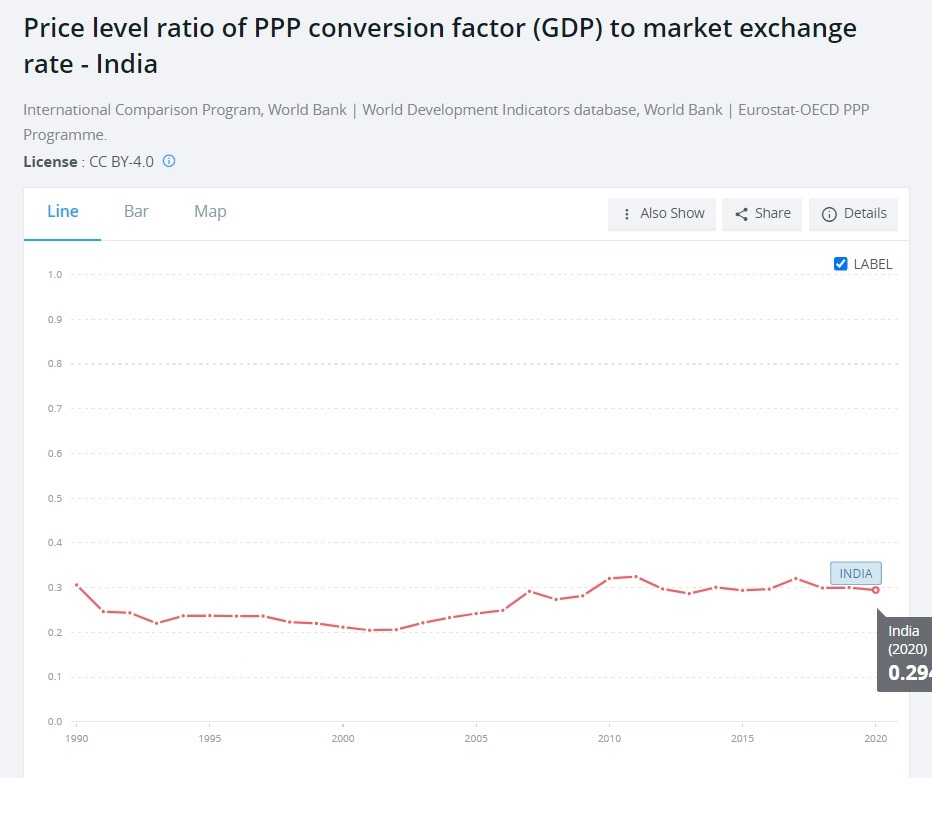
In very simple terms, let’s imagine your mother has given you a shopping list of everyday items—from vegetables to movie tickets. The PPP concept says that the money you spend in one country is considered equivalent to the money you spend in another country for that very same list of items. For example, if you spend $1,000 in the USA to buy everything on that list, and you spend ₹22,500 in India for the exact same things, then from a PPP perspective, these two amounts are of equal value. This means the “real” conversion rate is not the Forex rate of ₹83 per dollar, but ₹22.50 per dollar. According to OECD data from 2023, the real value of 1 USD is approximately 24 INR.
This is a crucial point that most blogs and “experts” miss. They talk about the high salary, but not the equally high cost of living. In India, most goods and services are available at a whopping 70% discount compared to other developed countries. So while your foreign salary looks big on paper, it shrinks when you use it to live your daily life there.
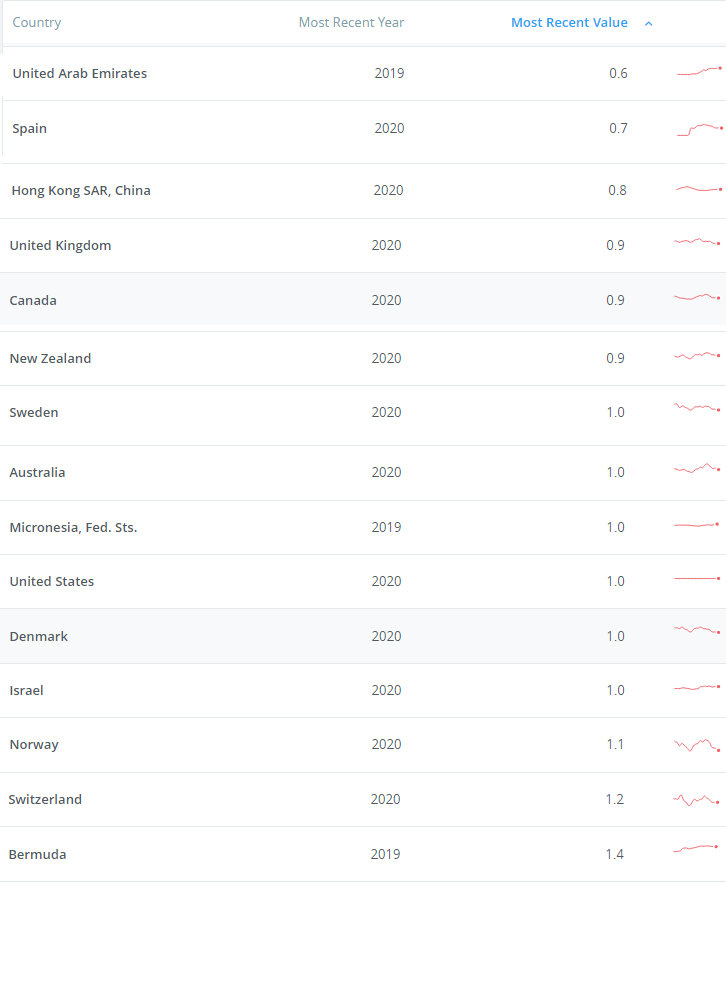
Here’s what that looks like in practice — a World Bank comparison of price levels across higher-income countries, the ones most Indian professionals are actually weighing a move to:
The Power of Remittance: A Real Financial Strategy
Now let’s talk about the cost of moving abroad from India in terms of what your money is really worth. It all depends on where you plan to spend it. If your goal is to consume your earnings in the country you’re in, then you’re getting value based on the “PPP”. For example, $1,000 consumed in the USA is worth about ₹24,000 worth of goods and services in India.
However, if your plan is to save your money and bring it back to India, that’s where the magic of remittance happens. All your savings will be converted as per the “Forex rate”, not the PPP. This is the simple, yet powerful, strategy that can truly help you build wealth.
Let’s look at a simple example. Let’s say you’ve spent 5 years in the USA and have consumed half a million dollars there ($500,000). According to the PPP, that money would have only bought you things worth about ₹1.25 crore in India. But if you had taken that same $500,000 and sent it back to India, it would convert to about ₹4.2 crore. You could buy all the same goods and services for ₹1.25 crore and still have a savings of ₹3 crore left over. It’s a huge difference, isn’t it? This is the power of understanding the real value of money.
For reference, you can check the Purchasing Power Parities (PPP) data on the OECD website: https://data.oecd.org/conversion/purchasing-power-parities-ppp.htm
Cost of Moving Abroad From India: Your Blueprint for a Smart Move
- “Do the Real Math:” Before you accept a job offer abroad, do a thorough analysis. Don’t just look at the foreign exchange rate. Calculate the cost of living using PPP data. Check the “OECD website” for Purchasing Power Parities (PPP) data to get a realistic picture.
- “Define Your Goal:” Ask yourself, “Am I moving for a better lifestyle, or am I moving to maximize my savings?” Your answer will determine your financial strategy.
- “Remittance is King for Savings:” If your primary goal is to save money and send it back home, focus on maximizing your savings. This is where the Forex rate works in your favor.
- “Embrace Financial Literacy:” Don’t apologize for being confused. Concepts like PPP can be tricky. But understanding them is the first step towards taking control of your financial future. “Knowing what’s out there is half the battle won.”
Conclusion: Making an Informed Decision
The cost of moving abroad from India is a real financial decision, and the exchange rate on its own won’t tell you if it’s the right one. Once you run the numbers through purchasing power parity instead of a currency converter, the decision usually gets a lot clearer, sometimes in favor of moving, sometimes not.






One Comment
Comments are closed.