
What Keeps CTOs Up at Night: Ten Pressures and What I Would Do First
What keeps CTOs up at night has changed less than the vendor decks suggest. The tools are new. The fear is the old one: being the person who signed off on the thing that broke.
Two nights stay with me from my years as a CTO. In the first, the board asked what our recovery plan was if a cyber attack succeeded, and that question kept me awake. In the second, cyber alerts kept coming while the system had to perform on a key event date. Neither night had much to do with new technology, and both are on this list.
This post is for CTOs and CIOs in New York, London, Sydney, Singapore and Dubai. The regulators differ by city. The list mostly does not. For each of the ten pressures below, I say what I would do first.
The 30 second version
- AI now has to show a return, and agents need the same controls as a new employee.
- Cloud bills and old core systems are budget problems before they are technology problems.
- Shadow AI is already inside most companies. A ban will not stop it.
- Start with a list of every AI system you run. Everything else depends on it.
Table of Contents
AI now has to pay for itself
1. Pilots that never become products
A year ago a demo was enough. Now the CFO wants a number: revenue, margin or hours saved, against a baseline. A token bill and a folder of proofs of concept do not answer that. The fear is that you spend millions, the board decides technology failed to set the business apart, and IT goes back to being a cost centre.
What I would do first: pick two or three use cases where a business owner agrees in advance what “better” means, and record the baseline before launch. Stop the rest. Ten half-funded pilots teach the board nothing.
2. Agents with no governance
Chatbots draft. Agents act. The moment an AI system can call an API, issue a refund or change a record, you are governing something closer to a new employee than a tool.
Gartner has predicted that over 40% of agentic AI projects will be cancelled by the end of 2027, because of cost, unclear value and weak risk controls (Gartner press release). The nightmare is simpler: an agent loops on a bad assumption and corrupts data or triggers payments before a human sees it.
What I would do first: give every agent the access of a new joiner on day one.
- Credentials scoped to one workflow
- A hard spend and rate cap
- A kill switch someone has tested
- Logs of every action, not only every output
- Human approval for anything that cannot be undone
Start with agents that can only read, and give them write access once they have earned it.
Data and cloud economics
3. The data was never ready
Business units want machine learning now. The data sits across SaaS apps, a lake nobody trusts and a warehouse with no lineage. AI built on that gives confident wrong answers at scale.
What I would do first: choose the two or three data domains your AI use cases depend on and fix those. Own the lineage, quality rules and access policy there before touching the rest. A clean customer table beats a grand data-platform programme.
4. A cloud bill that behaves like a variable cost
Cloud was sold as elastic. In practice it became budget inflation, duplicated multi-cloud estates and egress fees that make leaving expensive. The fear is lock-in so deep that moving a workload costs more than the workload is worth.
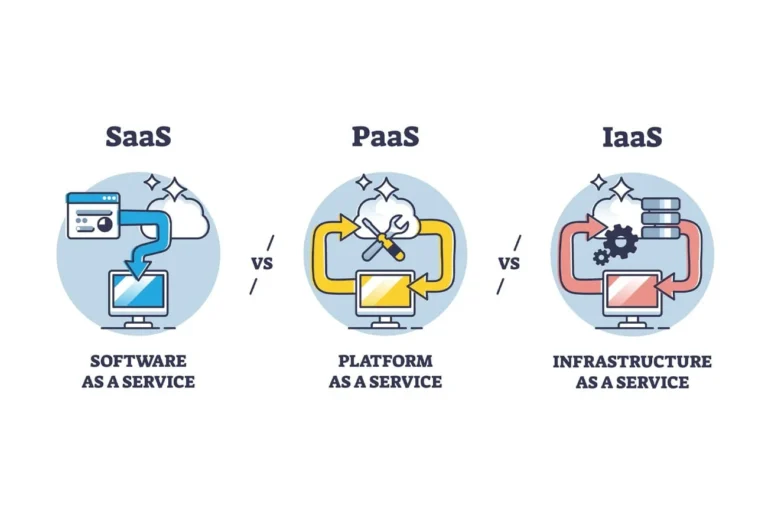
What I would do first: run FinOps as a monthly habit, not a one-time cleanup. Tag everything, switch off idle workloads and put egress in the architecture review before the design is approved. For new builds, ask what the exit would cost. If nobody can answer, that is the real price. I apply the same question to software in my build vs buy post.
Risk, regulation and the threat landscape
5. A regulatory map that keeps redrawing itself
There is no single rulebook, and that is the problem. US teams track state privacy laws, UK teams watch drift from the EU, Singapore teams work across ASEAN cross-border rules, and Australia has been tightening its privacy regime. I have not checked each of these against the primary text for this post, so confirm the ones that apply to you.
The EU AI Act shows why dates alone mislead. The Digital Omnibus, in force since 27 July 2026, moved the high-risk obligations for stand-alone systems from 2 August 2026 to 2 December 2027, and for AI built into regulated products to 2 August 2028 (law firm summary). It did not move the duties on general-purpose AI models. The high-risk rules were deferred, not deleted.
The fear is the stealth violation: a rule you missed that shows up as a fine or a class action.
What I would do first: keep one control framework mapped to your strictest obligation, then record the differences per jurisdiction. Keep a living register of where each AI system is used and what decisions it touches. You cannot comply for systems you cannot list.
6. The supply-chain backdoor
Your attack surface is now your vendors’ APIs, an open-source dependency three levels down and a developer’s IDE extension. The damaging attacks sit inside normal habits: an install, a build, a login. I wrote about how capable people fall for them in why tech-savvy people fall for scams.
What I would do first: know what is in your software. Keep an inventory of dependencies, pin versions, host private packages on your own registry, and review third-party access on a schedule. Then rehearse the day a build pulls something it should not have: who rotates which secret, and in what order?
Talent and culture
7. The talent paradox
The people you need most, in AI engineering, cloud security and data, are the people the best-funded labs are hiring. Meanwhile you are asked to do more with flat headcount, so you upskill the engineers you have and watch for burnout.
In Singapore and the UAE, local-hiring frameworks such as Emiratization add rules on top. The fear is losing the two or three people who hold the architecture in their heads.
What I would do first: write the architecture down. Run an internal academy for the skills you will need in 18 months, not the ones you wish you could hire today. Pay your key people before a competitor does it for you.
8. Shadow AI
Employees find the approved tool slow, restricted or missing, so they use a personal account. Source code, a customer list or next quarter’s plan then sits in a model you do not control. PagerDuty’s 2026 survey found most office staff at large companies had used an unapproved AI tool at work, and some had pasted in confidential material (PagerDuty). I would treat the exact percentages as direction, not fact.
My view is plain. A ban will not work, and I would not rely on one.
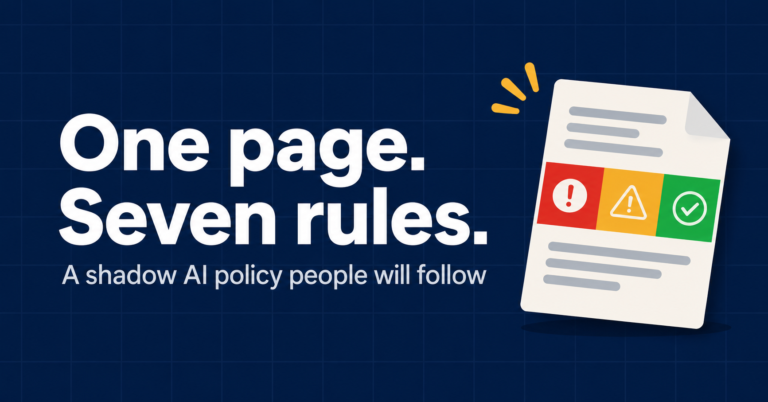
- Give people an approved tool at least as good as the personal one
- Put data-loss controls where data leaves, not only where it is stored
- Write a policy a normal employee can read in two minutes
- Enforce it the same way for the CEO and the intern
- Ask teams what they use AI for, then approve the real use cases
I turned these rules into a one-page policy in Shadow AI Policy: The One Page I Would Write First.
Strategy and the boardroom
9. The legacy core that eats the budget
Many mature companies run on a customised ERP or core transaction system that costs millions to maintain and more to replace. The fear is the multi-year modernisation quagmire: over budget, past the sponsor’s patience, no business value yet.
What I would do first: avoid the big bang. Replace the core in value slices of six months or less, each retiring something and paying for itself. If the first measurable benefit is three years away, restructure the programme.
10. The foundational bet, made alone
The role has moved from executing technology to orchestrating change, but nobody hands you a forecast of the next shock. You sit between aggressive growth targets and cautious finance, explaining why technical health deserves funding in a tight quarter. The fear is the wrong foundational bet: a stack, architecture or vendor you cannot back out of.
What I would do first: make bets reversible wherever you can, and write the decision down. A one-page memo with the assumptions that would change your mind turns a lonely call into a reviewable one. Then find three peers outside your company you can talk to without a performance review attached.
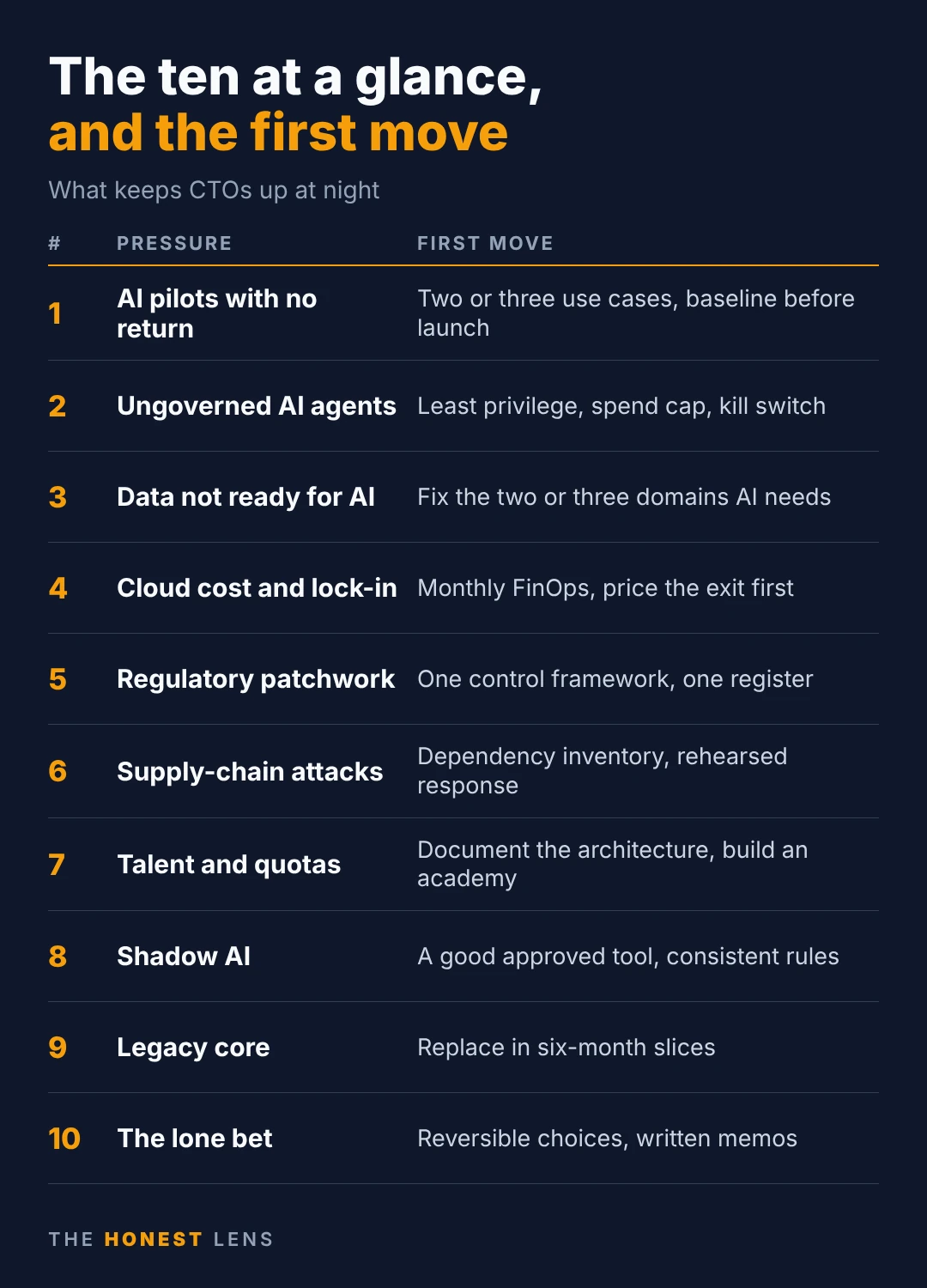
The ten at a glance
| # | Pressure | First move |
|---|---|---|
| 1 | AI pilots with no return | Two or three use cases, baseline before launch |
| 2 | Ungoverned AI agents | Least privilege, spend cap, kill switch |
| 3 | Data not ready for AI | Fix the two or three domains AI needs |
| 4 | Cloud cost and lock-in | Monthly FinOps, price the exit first |
| 5 | Regulatory patchwork | One control framework, one register |
| 6 | Supply-chain attacks | Dependency inventory, rehearsed response |
| 7 | Talent and quotas | Document the architecture, build an academy |
| 8 | Shadow AI | A good approved tool, consistent rules |
| 9 | Legacy core | Replace in six-month slices |
| 10 | The lone bet | Reversible choices, written memos |
If you do only three things this quarter
- Count your AI systems and agents. Where they run, what data they touch, who owns each.
- Close the shadow AI gap. Ship an approved tool people want, with simple rules.
- Pick your top two AI use cases and measure them. A baseline today beats a bigger pilot next quarter.
Give every AI agent the access of a new joiner on day one.
Frequently asked questions
What keeps CTOs up at night?
In 2026 it is mostly AI that has to show a return, agents and shadow AI without oversight, cyber and supply-chain risk, regulation, cloud cost and legacy systems.
What are the biggest CTO challenges in 2026?
Proving the value of AI spend, a wider attack surface, scarce talent and variable cloud costs.
What is shadow AI?
Employees using AI tools IT has not approved, usually through personal accounts, often with company data. It is shadow IT with a language model attached.
Has the EU AI Act been delayed?
Partly. High-risk obligations moved to 2 December 2027 for stand-alone systems and 2 August 2028 for AI built into regulated products. Duties on general-purpose AI models were not moved.




2 Comments
Comments are closed.